Security Compliance
Bitget uses two-factor authentication, sends alerts for logins and withdrawals, and offers an anti-phishing code to verify genuine emails. It maintains a protection fund of over $300 million to compensate users for losses where they're not at fault, and publishes monthly Proof of Reserves. Worth knowing: Bitget has had at least one security incident in its history and has been criticized for limited transparency around it.
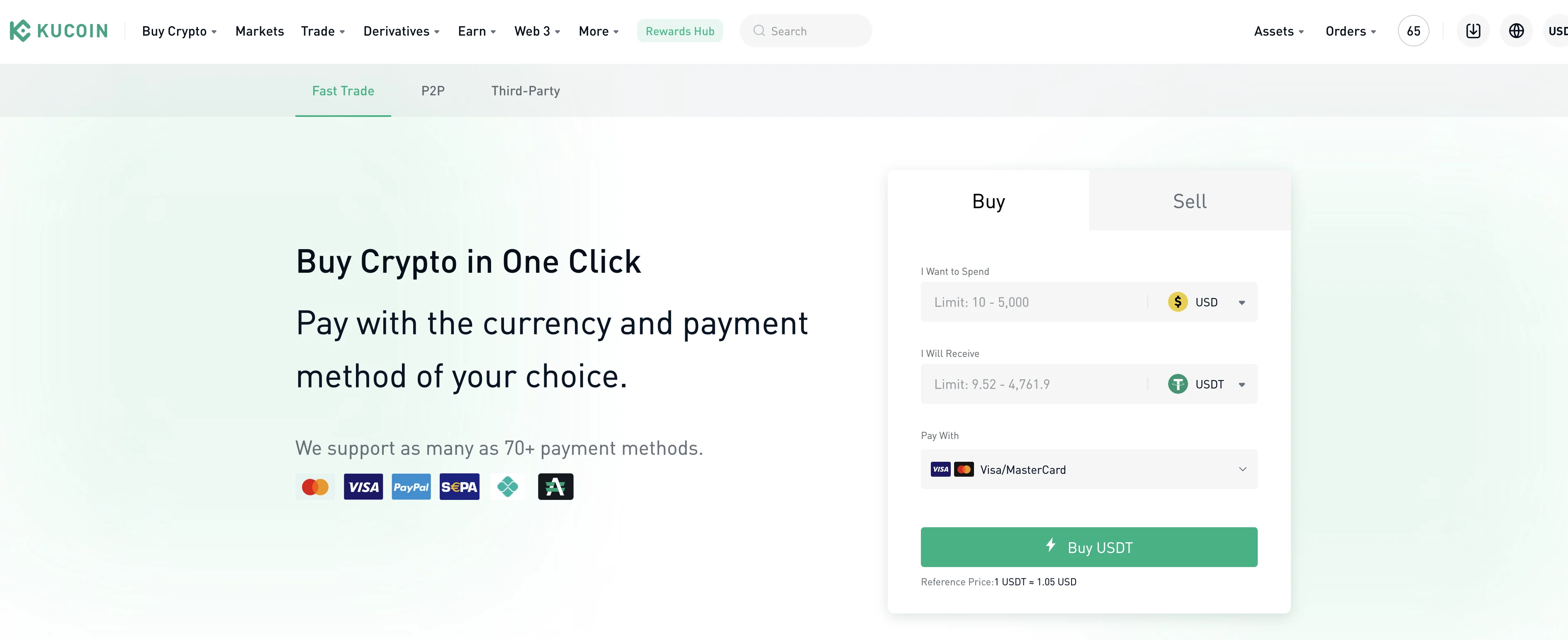
KuCoin offers two-factor authentication and has tightened compliance considerably since its early years. Its history still matters though: $275 million was stolen by North Korean hackers in 2020, with about $200 million recovered, and in 2025 its operator pleaded guilty in the US to anti-money-laundering failures. If you somehow still have funds on the exchange, move them to a private crypto wallet.
Bitget uses two-factor authentication, sends alerts for logins and withdrawals, and offers an anti-phishing code to verify genuine emails. It maintains a protection fund of over $300 million to compensate users for losses where they're not at fault — worth noting this is a company-run fund, not third-party insurance. It publishes monthly Proof of Reserves. Worth knowing: Bitget has had at least one security incident in its history and has been criticized for limited transparency around it. Since Bitget is not accessible from Canada, its security arrangements are largely academic for Canadian readers.
KuCoin offers two-factor authentication and has tightened compliance considerably since its early years. Its history still matters: $275 million was stolen by North Korean hackers in 2020, with about $200 million later recovered — one of the largest exchange hacks on record. In 2025 its operator pleaded guilty in the US to anti-money-laundering failures with ~$297 million in penalties. If you still have funds on the exchange, move them to a private crypto wallet — but note that incoming transfers from KuCoin may be blocked by regulated Canadian exchanges, so withdraw to your own wallet first and then transfer from there.
Bitget emphasizes security with 2FA, anti-phishing codes and a $300M+ company protection fund. KuCoin has tightened its security posture post-2020 but its $275M hack history and US guilty plea are major red flags regardless of geography. Neither platform's security is relevant to Canadians since neither is accessible — and KuCoin's hack history is a significant additional concern.
Regulatory Compliance
Bitget is not registered with Canadian securities regulators and, as of 2026, Canada sits on its list of restricted jurisdictions. The Alberta Securities Commission had already warned investors that Bitget was not registered in the province before the broader restriction took effect. Canadians should avoid workarounds like VPNs, which breach Bitget's terms and put funds at risk of being frozen.
KuCoin is banned in Canada. After ignoring OSC proceedings entirely, KuCoin received a permanent ban from Ontario's capital markets in June 2022 along with the maximum penalties the tribunal could impose, about $2 million plus costs, and the CSA lists it as a banned platform nationwide. Mandatory KYC since July 2023 means there is no longer any workaround, and using a VPN violates KuCoin's own terms with the risk of frozen funds and zero consumer protection or legal recourse in Canada. This is a hard no for Canadians, not a grey area.
Bitget is not registered with Canadian securities regulators and, as of 2026, Canada sits on its list of restricted jurisdictions. The Alberta Securities Commission had already warned investors that Bitget was not registered in the province before the broader restriction took effect. Canadians should avoid workarounds like VPNs, which breach Bitget's terms and put funds at risk of being frozen.
KuCoin is permanently banned in Canada. After ignoring OSC proceedings entirely, KuCoin received a permanent ban from Ontario's capital markets in June 2022 along with the maximum penalties the tribunal could impose — about $2 million plus costs. The CSA lists it as a banned platform nationwide. Mandatory KYC since July 2023 means there is no longer any workaround: verification requires ID from a supported country, and Canada isn't one. Using a VPN violates KuCoin's own terms, with the risk of frozen funds and zero consumer protection or legal recourse in Canada.
Neither Bitget nor KuCoin is registered with Canadian securities regulators or authorized to serve Canadian retail crypto investors. Both platforms explicitly exclude Canada. KuCoin was also actively sanctioned by the OSC with a permanent ban — a distinction that makes it the more egregious of the two from a Canadian regulatory standpoint. Bitget was never registered and restricted Canada following regulatory pressure.
Customer support
Reviewers frequently describe Bitget's customer support as slow or unhelpful, particularly for complex issues involving futures or copy trading. That matters less now for Canadian readers, since the platform is closed to them, but anyone with a legacy account trying to withdraw remaining funds should be prepared for a slow support process.
KuCoin offers FAQs, an online ticketing system and 24/7 live chat for users in supported countries. For Canadians the only relevant support scenario is recovering legacy funds, and be prepared for friction, since closed-jurisdiction withdrawals often involve extra verification steps.
Bitget's support is chat and ticket-based and has drawn criticism for slow resolution of complex issues. That matters less now for Canadian readers, since the platform is closed to them, but anyone with a legacy account trying to withdraw remaining funds should be prepared for friction.
KuCoin offers FAQs, an online ticketing system and 24/7 live chat for users in supported countries. For Canadians the only relevant support scenario is recovering legacy funds, and be prepared for friction since closed-jurisdiction withdrawals often involve extra verification steps.
Neither platform's customer support is relevant to Canadians in the normal sense. Both are relevant only for the specific scenario of recovering legacy funds — and both present friction in that process.
Conclusion
From a Canadian perspective, there is no meaningful choice to make here. Neither Bitget nor KuCoin is available to Canadians — Bitget restricted Canadian users in early 2026 following CSA guidance and was never registered, and KuCoin is permanently banned with a $2M+ OSC penalty and appears on the CSA's banned platform list. Recommending either for Canadians would be wrong.
If you found this article while searching for a high-altcoin-count or derivatives-capable exchange in Canada, we would point you to regulated alternatives. Kraken offers 200+ coins with CAD pairs and is a nationally registered restricted dealer since April 2025. Crypto.com offers 400+ coins globally with restricted dealer registration since May 2025. VirgoCX offers 90+ coins with zero trading commissions under the non-custodial model.
If you have legacy funds on Bitget, contact support and request withdrawal to an external wallet. If you have legacy funds on KuCoin, withdraw them to your own wallet immediately — do not transfer directly to a regulated Canadian exchange, as some platforms block incoming transfers from KuCoin. Route through your own wallet first.
We recommend neither Bitget nor KuCoin for Canadians — simply because neither is available. Explore our full list of the best crypto exchanges in Canada to find a platform that suits your needs.